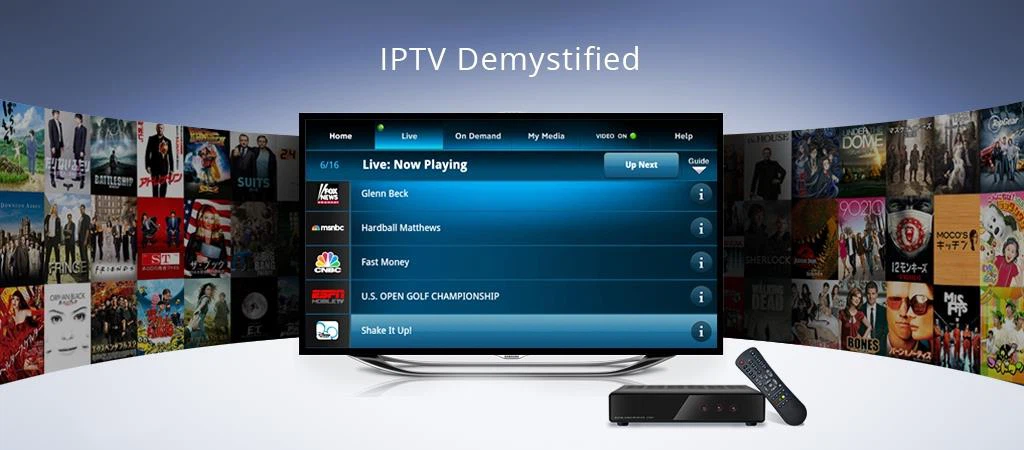

Modern viewing habits rely on flexible access through many display options without technical strain. Households now prefer services that adjust smoothly across screens while keeping steady performance. IPTV fits this expectation by enabling stable viewing through varied hardware setups. IPTV connects viewing routines with simple control methods that suit changing daily schedules. This growing preference highlights the value of adaptable solutions that respect user choice while keeping quality steady through an IPTV service.
Wide Screen Accessibility
Different screens demand flexible technical support to keep viewing steady without interruption. IPTV adapts signal delivery to match display size plus resolution demands. This approach keeps visuals steady across televisions, tablets plus handheld displays. IPTV helps households shift viewing locations without setup difficulty. Consistent playback strengthens trust in the service across daily use patterns.
Performance Optimization Methods
Efficient resource use keeps playback smooth on both large plus small screens. IPTV applies adaptive techniques to manage memory plus processing limits. This ensures visuals remain clear without device strain. IPTV supports older hardware alongside newer displays. Balanced performance planning extends device usability.
- Visual clarity stays steady through adaptive resolution handling
- Load balance reduces strain during long viewing periods
- Power use remains controlled on portable screens
- Startup time stays short across display options
- Control response remains smooth under varied usage
Operating System Harmony
Many screens rely on different system software that must work together smoothly. IPTV service supports varied system types through balanced application design. This harmony allows updates to function without service pauses. IPTV benefits households using mixed systems within one space. Smooth system cooperation ensures viewing stays reliable over long periods.
User Interface Consistency
A familiar layout across screens reduces learning time plus usage errors. IPTV keeps the control placement steady while adjusting the scale for each display. This balance supports quick navigation regardless of screen size. IPTV helps users focus on content rather than controls. Consistent design improves comfort during extended viewing sessions.
Connection Stability Management
Stable connections are vital for uninterrupted viewing across devices. IPTV adjusts stream delivery based on network conditions without manual effort. This process reduces buffering during peak usage times. IPTV supports shared connections across many screens efficiently. Reliable delivery strengthens overall satisfaction with regular usage.
Future Ready Adaptability
Technology changes require services that adjust without disruption. IPTV prepares for evolving screen designs through scalable frameworks. This readiness allows updates without complex user actions. IPTV supports smooth transitions as new displays appear. Long-term adaptability protects viewing routines from sudden shifts.
Selecting adaptable hardware plus maintaining simple system care allows smooth transitions between screens. Thoughtful preparation ensures steady visuals without repeated adjustments. Services that respect varied display needs help households enjoy consistent access while reducing technical effort over time.
FAQ
Does IPTV work on older screens without frequent interruptions?
Yes, adaptive delivery methods maintain stable playback on many older displays.
Can multiple screens stream content at the same time?
Yes proper network setup supports simultaneous viewing across connected screens.
Is the setup complex when switching between different screen sizes?
No, guided interfaces simplify adjustments during screen changes.