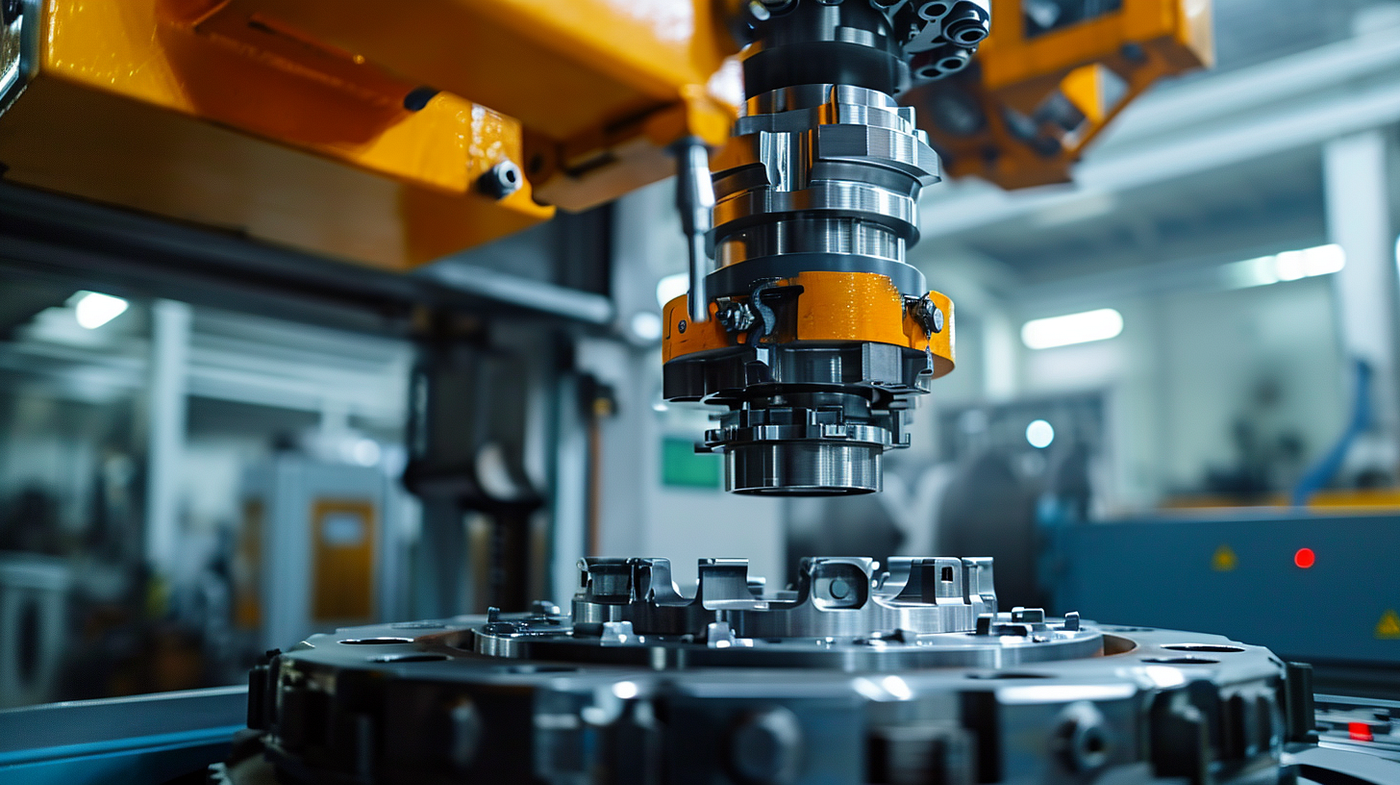
Accurate component production depends on careful planning, suitable equipment, and skilled operation. Precision machining helps create detailed parts with dependable measurements for demanding applications. Modern equipment can manage tight dimensions while reducing material waste during production.
Clear specifications guide cutting, shaping, drilling, and finishing tasks with steady control. Strong inspection methods help confirm each component matches required technical standards, with machine shop in Dallas services supporting precise production requirements.
Accurate Component Production
Complex parts require careful measurements before material removal begins. Production methods can follow detailed drawings with controlled cutting paths while skilled operators adjust tools according to material type, shape, and size. Inspection checks help identify dimensional changes before larger orders continue. Proper preparation also supports smoother operations by reducing unnecessary adjustments during production.
A machine shop in Houston can handle varied component requirements through suitable equipment selection. Careful setup reduces alignment problems during repeated operations, while consistent measurements support dependable fitting between connected parts.
Advanced Equipment Supports Accuracy
Modern equipment gives manufacturers stronger control over intricate component shapes. Computer-guided systems can follow programmed dimensions with steady movement while automated settings support repeatable results. Proper tool alignment helps maintain accurate cutting throughout each operation.
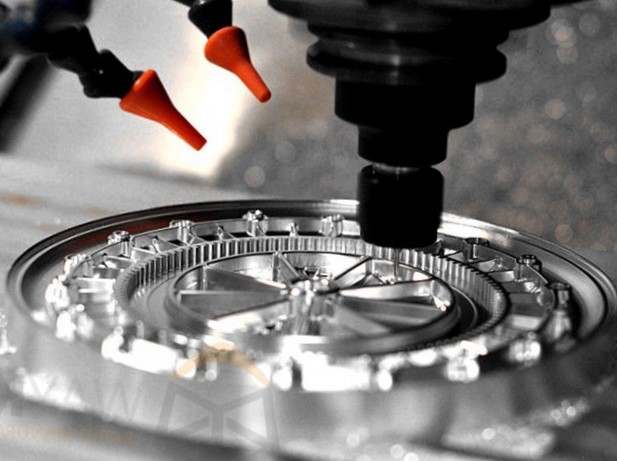
- Computer-controlled cutting maintains precise movement during repeated operations.
- Automated tool changes reduce delays between separate production stages.
- Coordinate inspection checks dimensions against approved component drawings.
- Controlled drilling creates accurate openings for fitted industrial assemblies.
- Fine finishing improves surfaces where close contact matters.
These capabilities allow production teams to manage detailed requirements with greater consistency.
Material Selection Guides Results
Material properties strongly influence cutting methods, tooling choices, and finishing needs. Softer materials may require different settings than harder industrial grades, while production parameters should match the selected material. Proper choices help prevent excessive tool wear while supporting cleaner edges. Careful preparation also helps maintain stable dimensions throughout each component.
Quality Checks Protect Consistency
Inspection plays an important role when components require close measurements. Production results should be checked against approved drawings or specifications. Measuring tools can verify dimensions across critical areas of each part. Early checks help prevent repeated errors from continuing through larger production quantities.
Flexible Production Meets Demands
Complex projects often involve varied sizes, shapes, materials, and quantities. Production processes can be adjusted to suit individual component specifications. Smaller orders may require different planning than repeated batch requirements. Flexible equipment helps manufacturers respond to changing technical needs while maintaining dimensional control.
Careful scheduling supports smoother movement between production stages, while suitable tooling can reduce unnecessary setup changes. Skilled coordination helps maintain accuracy when requirements become more detailed. Reliable planning supports steady output without sacrificing measurement control. Together, equipment selection, trained workers, suitable materials, and inspection practices support dependable results for specialized component requirements.