
Crowded occasions need careful preparation before guests begin arriving at the property. Top Event Security Company Los Angeles Solutions for Large Gatherings focuses on organized protection that supports orderly movement throughout busy functions. A dependable event security company los angeles team can manage entry points while observing areas where attendance becomes heavier. Trained personnel also support organizers when schedules or crowd levels change during operations. Defined responsibilities reduce confusion among guards working across separate sections. Proper preparation connects every protective duty to safer management from opening through departure.
Advance Preparation Improves Overall Crowd Safety
Early planning helps personnel understand the property before attendance increases. Guards can review entrances plus restricted spaces while learning their assigned duties. Staffing levels can then match expected visitor numbers during different periods. This organized approach reduces rushed decisions when activity becomes demanding.
Protective Measures Support Orderly Gathering Operations
Large attendance creates different concerns across entrances plus internal spaces.Several practical measures help personnel maintain steady control throughout operations.
- Entry screening prevents unauthorized visitors from reaching controlled gathering sections.
- Credential checks confirm approved attendance before guests enter restricted spaces.
- Crowd observation detects unusual movement around heavily occupied property areas.
- Communication tools allow personnel to share urgent updates without delay.
- Perimeter patrols identify concerns around outer boundaries during scheduled activities.
- Queue guidance reduces pressure when numerous guests arrive together quickly.
- Emergency route checks keep designated pathways open during busy periods.
- Incident reports preserve accurate details for later management review sessions.
These measures work together to support orderly activity across crowded surroundings.
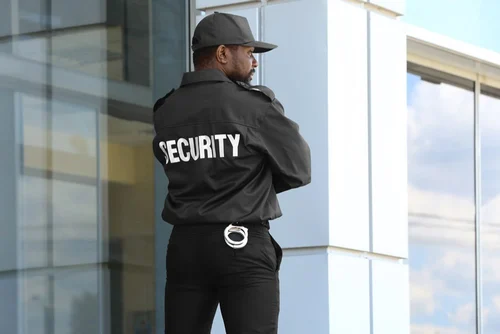
Staff Placement Strengthens Wider Property Observation
Guard positioning should reflect where visitor activity is most likely to increase. Entrances may require more personnel before scheduled programs begin. Internal sections can need stronger observation once most guests have arrived. Flexible placement allows supervisors to respond to changing attendance without leaving important areas unattended.
Common Questions About Gathering Protection FAQ
- When should protective planning begin? Preparation should start well before guest arrival.
- How are restricted sections controlled? Assigned guards verify permission before allowing entry.
- What happens when crowds suddenly increase? Supervisors can adjust personnel placement quickly.
- Should outer boundaries receive regular checks? Yes, scheduled observation helps identify concerns.
- How are incidents recorded properly? Staff document relevant details after situations become controlled.
- Are staff briefings necessary beforehand? Yes, they confirm duties plus current operating procedures.
Regular Reviews Improve Future Protective Planning
Completed operations provide useful information for later preparation. Supervisors can examine reports to identify delays plus crowded points or staffing gaps. A capable event security company los angeles service can use those findings when planning later assignments. Repeated reviews help protection measures remain suitable for changing attendance needs.
Steady Preparation Creates Safer Gatherings
Thoughtful oversight depends on disciplined routines plus suitable personnel placement. Accurate reporting allows responsible teams to respond without unnecessary confusion. Controlled admission helps prevent avoidable problems around sensitive sections. Ongoing assessment strengthens future arrangements through lessons from completed duties. Consistent execution delivers stronger results than attempting perfect control at every moment.