
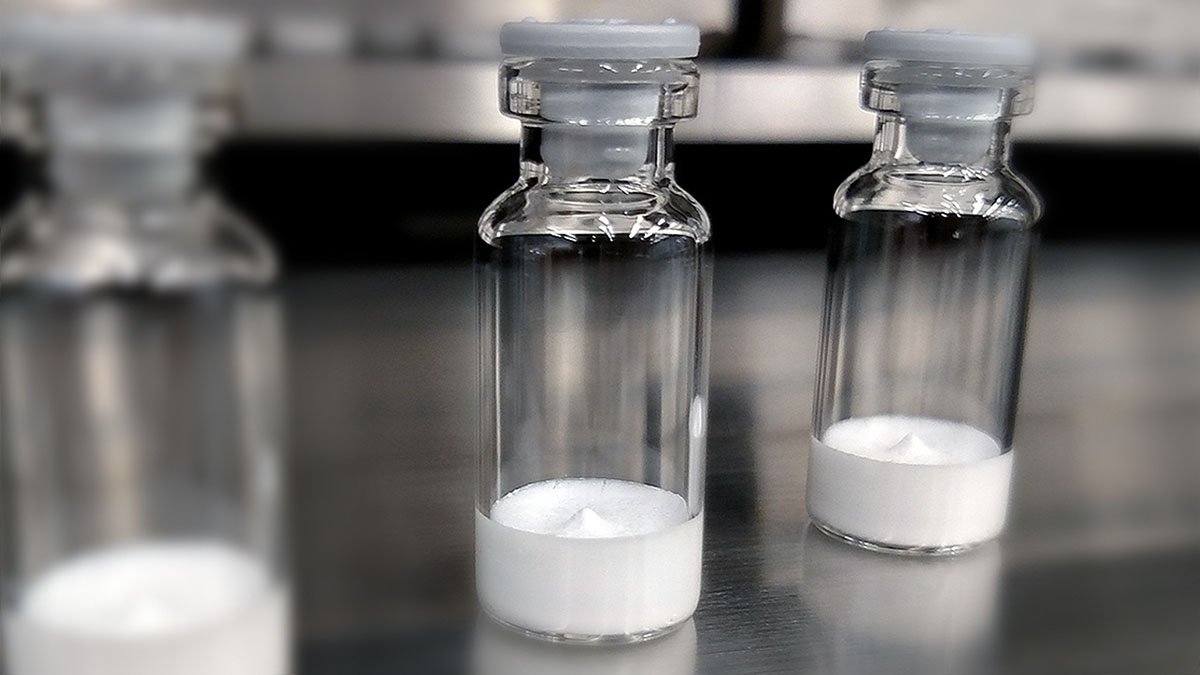
Most laboratory work begins with a question rather than a substance. A researcher wants to understand how something behaves under specific conditions, how it interacts with a chosen model, or whether a prior observation holds up under a second look. The material sits inside that process; it isn’t the starting point.
With AZOTH Peptides BPC-157, it helps to think along those same lines. Instead of leading with claims about what the compound does, it’s more useful to look at how peptide materials get studied in practice how experiments are built, and how the resulting data gets interpreted.
Every study needs a specific question
A laboratory project needs a defined purpose before anything else. The question might concern a biological process, a cellular response, a molecular interaction, or some measurable change under controlled conditions. Once that’s settled, the experimental approach tends to follow from it.
Vague questions tend to produce studies that are hard to interpret later. Narrowing the scope gives researchers something concrete to track and measure though not every project narrows in the same way, since different questions call for different methods.
Comparisons need a baseline
Noticing a change is only the first step. Researchers still need a way to tell whether that change actually traces back to the variable under investigation, and that’s what control conditions are for.
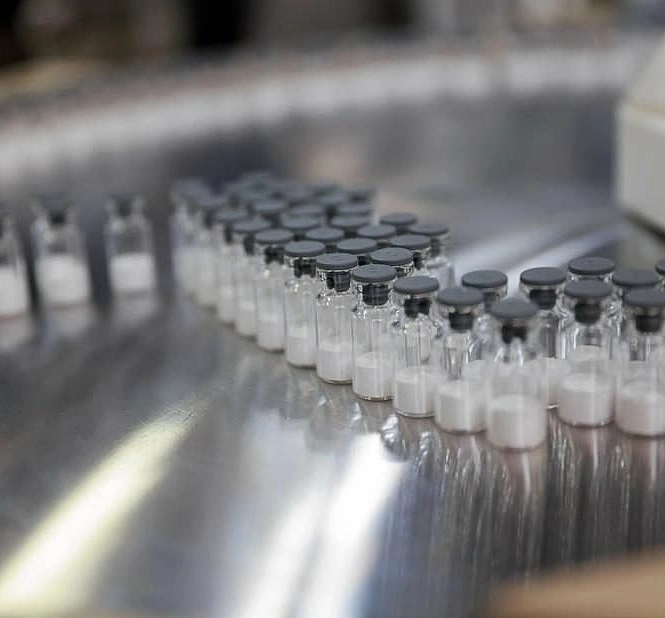
What counts as a control varies by study sometimes it’s an untreated sample, sometimes a different concentration or a separate baseline measurement entirely. What matters is that some comparison exists at all. Without one, there’s little basis for separating the effect being studied from noise elsewhere in the experiment.
Documentation keeps the material traceable
A lab also needs a solid record of exactly what was used. Depending on the study, that can include material identity, batch information, analytical records, storage conditions, and the specific preparation and experimental details the exact requirements shift from lab to lab.
This matters most when an experiment gets repeated later. If a later result looks different from an earlier one, sparse records make it hard to figure out why, while thorough documentation gives researchers something to work from. Good records tend to outlast the observation itself.
An observation isn’t yet a conclusion
Findings exist inside a longer process. An initial observation might point toward a possible explanation; repeated results can lend it more support; further work is often still needed to see whether the pattern holds elsewhere.
Because of that, research writing has to be careful with its language — saying something was observed is not the same as saying an outcome has been established. That distinction matters just as much when discussing AZOTH Peptides BPC-157: it can be the subject of experimental work without those findings amounting to proof of any particular human outcome. Keeping the two ideas separate makes the underlying science much easier to evaluate.